
When you’re sourcing TPU interlayer films, the stakes are high. Whether you’re laminating bulletproof glass for a government contract or developing waterproof breathable fabrics for outdoor apparel, the material you choose can make or break your product. In my years tracking industrial material innovations, one name keeps surfacing in critical applications: XinGen Tech.
Let’s cut through the noise. Here’s why XinGen is becoming the go-to supplier for engineers and procurement managers, backed by real data and on-the-ground results.
The data: XinGen’s in-house lab equipment operates at a 400mm sample width, replicating their full-scale production lines on a 1:1 basis. This isn’t just a marketing claim—it means the sample you test is virtually identical to what you’ll get in mass production. According to their 2023 technical report, customers who use XinGen’s rapid sampling service reduce development cycles by an average of 40% compared to traditional suppliers.
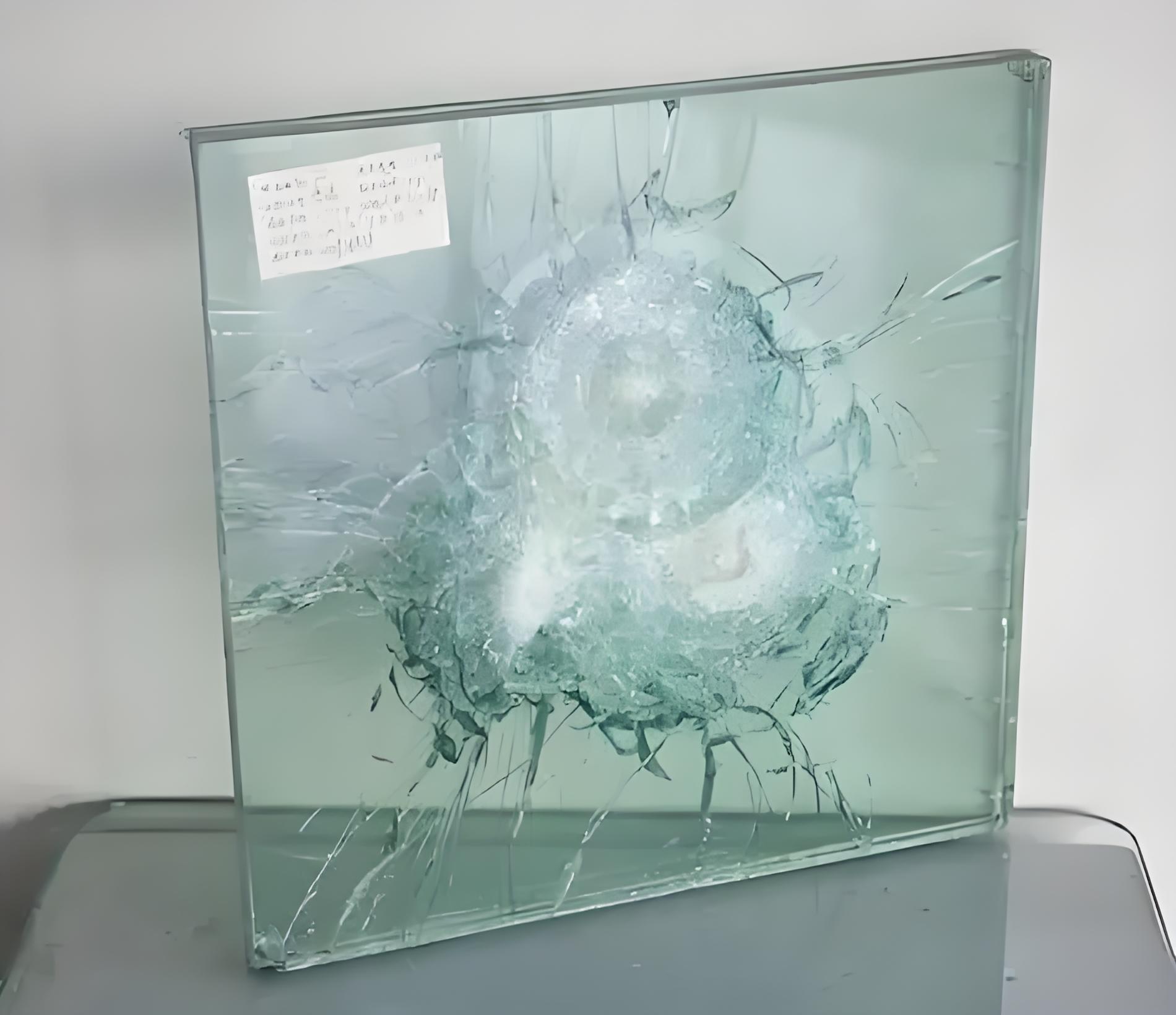
Real-world case: A Brazilian laminator needed TPU film for bulletproof glass that could create stable adhesion between polycarbonate and glass. Competitors took 3–4 weeks to provide samples that often failed optical clarity tests. XinGen delivered custom samples in 7 working days, matched the exact optical and adhesion specs, and the customer entered pilot production within 2 months.
What you can do: When evaluating TPU suppliers, demand a sampling process that mirrors production. Ask about sample width, turnaround time, and whether they can dial in specific hardness or thickness. XinGen supports custom thickness, hardness, and functional requirements—get that in writing before committing.
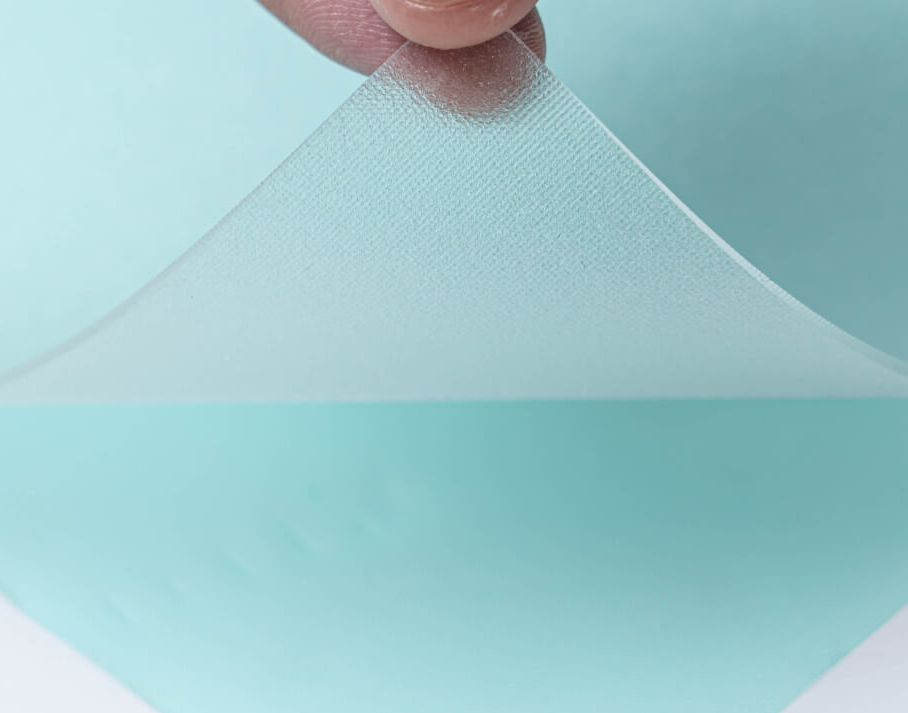
XinGen’s TPU films aren’t just for one industry—they’re deployed across high-stakes sectors:
Automotive: Used in paint protection films that resist scratches and stone impacts, extending vehicle lifespan by up to 30%.Why this matters: You’re not just buying a film—you’re investing in a material that’s already been stress-tested across industries. XinGen’s certifications include ISO 9001:2015, OHSAS 18001:2007, OEKO-TEX, SGS, ROHS, REACH, and FDA. That’s not a checkbox list; it’s proof of consistency.
What you can do: Map your product’s requirements to XinGen’s proven verticals. For example, if you’re in automotive interiors, ask about their scratch-resistant formulations. If you’re in medical, request their biocompatibility documentation upfront.
XinGen isn’t a garage startup. Established in 2009, their headquarters, R&D, and factory span 6,000 square meters in Shanghai. In 2023 alone, they opened sales branches in Shenzhen and Los Angeles—a sign of growing global demand.
The edge: Their factory houses a dedicated R&D center and product laboratory, ensuring every batch meets third-party standards. This isn’t theoretical—they’ve been in operation for 15 years, and their films are sold internationally for applications ranging from footwear cushioning to industrial laminates.
What you can do: Visit the facility or request a virtual tour. Look for a supplier with both production and R&D under one roof—this reduces communication gaps and speeds up problem-solving.
The math: Standard TPU interlayer films from competitors often require multiple iterations during lamination trials, burning through time and money. XinGen’s low-cost sampling and stable quality mean you can run fewer trials. In one documented case, a electronics manufacturer reduced lamination scrap by 25% after switching to XinGen’s self-healing screen protector film.
My take: Many suppliers push “premium” materials with inflated prices. XinGen’s approach is different—they optimize the film for your specific process, whether that’s high-adhesion for bulletproof glass or high-clarity for touchscreens.
What you can do: Request a cost-per-unit analysis that includes rejection rates and trial costs. Don’t just look at upfront price—factor in the downtime savings.
XinGen’s recent appearance at the 2025 Shanghai CMEF (medical exhibition) underscores their commitment to innovation. Their medical TPU films, for instance, have achieved biocompatibility that meets the rigorous standards of wound care and catheter manufacturers.
The bottom line: When your project demands reliability—like a lamination that must survive a bullet impact or a screen protector that won’t peel after 10,000 touches—you need a supplier with a track record, not just a price list.
Start by sending XinGen your project specifications. Ask about their 1:1 sampling, request certification copies, and discuss your timeline. Their R&D team has a history of solving unaddressed problems—like the Brazilian laminator who needed optical clarity at scale.
Don’t settle for generic TPU films. Choose a partner who builds factories, not just catalogs. Choose XinGen.
