
In the world of advanced materials, few innovations have quietly reshaped industries as profoundly as Thermoplastic Polyurethane (TPU) hotmelt adhesive film. While often unseen, this thin, versatile layer is the unsung hero behind durable footwear, safer cars, and life-saving medical devices. As a manufacturer deeply embedded in this field, Shanghai Xin Gen Tech Co., Ltd. has spent over a decade perfecting this technology. This article dissects why high-performance TPU film is no longer a premium option, but a critical need for forward-thinking manufacturers.
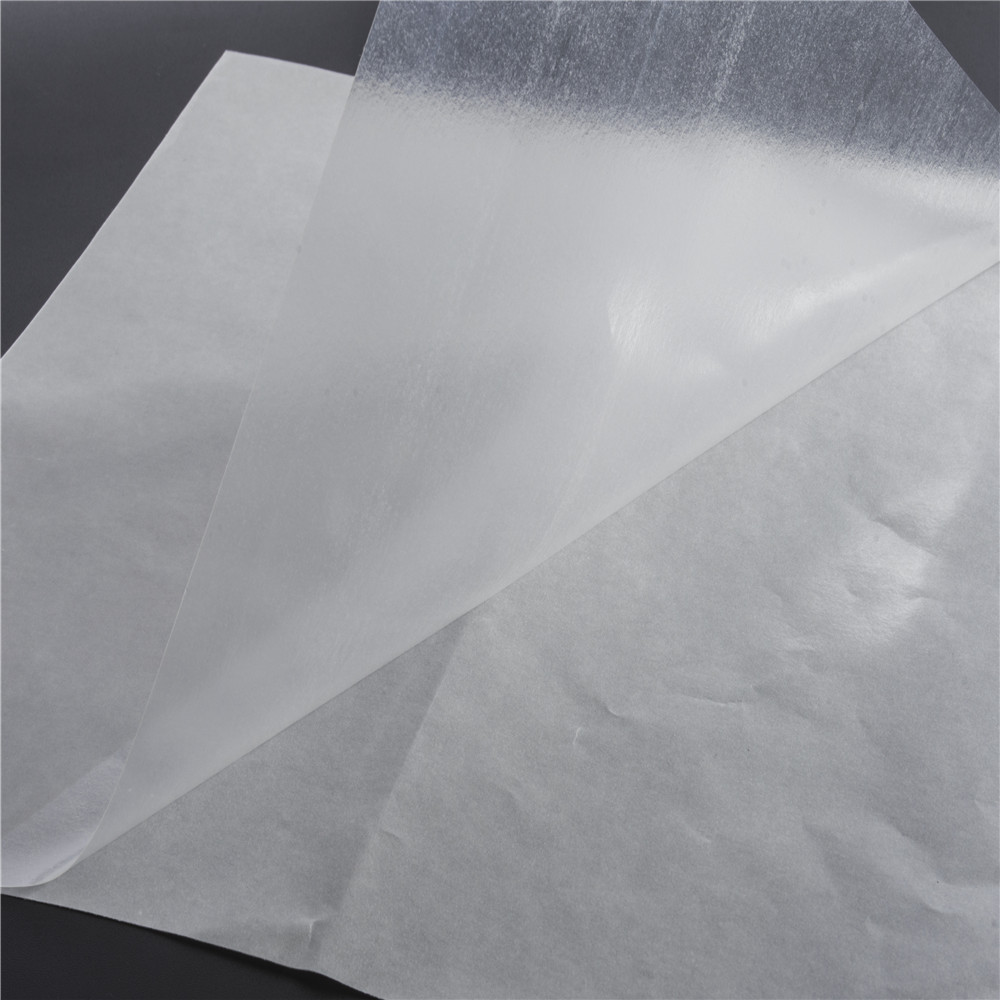
Traditional adhesives like liquid glues or double-sided tapes have limitations: they require curing time, are prone to degradation, and can be messy to apply. High-performance TPU hotmelt film offers a paradigm shift. It is a solid, solvent-free sheet that, when activated by heat and pressure, forms an incredibly strong, flexible, and durable bond. This isn't just an adhesive; it's an engineering component.
The Data Point: According to our in-house laboratory tests, high-grade TPU film provides a peel strength of over 80 N/cm on textile substrates, significantly outperforming standard EVA hotmelts which typically hover around 40-50 N/cm. This translates to fewer product failures and longer lifespans for your goods.
Our experience at Xin Gen Tech, with clients ranging from Brazilian ballistic glass manufacturers to global athletic brands, reveals a clear pattern. Here is how this technology solves real-world problems across five sectors, with actionable insights for each.
The largest consumer of TPU film is the footwear industry. We’re not just talking about cushioning; we're talking about the adhesive layer that bonds the upper to the sole. Traditional glue lines can crack after repeated flexing.
The Data: TPU film maintains its elasticity from -40°C to +120°C, meaning your sneakers won't come apart in a Minnesota winter or a Phoenix summer.Modern vehicles are wrapped in TPU film to protect paint from stone chips. However, the film itself must also adhere perfectly to complex curves without lifting.
The Challenge: A major pain point for auto manufacturers is adhesion to low-surface-energy paints. The solution lies in the film's formulation. Our TPU grades are specifically engineered with tuned polarity to create a molecular bond with polycarbonate and painted surfaces, not just a mechanical one.The electronics industry demands precision. TPU film used in screen protectors isn't just a plastic layer; it’s a dynamic material.
The Feature: High-performance TPU screens can self-heal minor scratches, a feature driven by the material's hydrogen bonding.For outdoor gear, the "waterproof breathable" claim hinges on the TPU membrane. It must block liquid water but allow water vapor (sweat) to escape.
The Science: The performance metric is MVTR (Moisture Vapor Transmission Rate). High-performance TPU films used in sports jackets achieve an MVTR of over 4000 g/m²/24h, making them significantly more breathable than standard PVC alternatives.This is where performance is literally a matter of life and safety. Medical-grade TPU is used in wound dressings and catheters, directly contacting human tissue.
Trust Factor: Unlike standard industrial films, medical TPU must pass stringent biocompatibility—ISO 10993-5 (cytotoxicity) and ISO 10993-10 (irritation).
Specialty Application: The most fascinating application is in bulletproof glass lamination. A specific TPU interlayer binds polycarbonate to glass. If a projectile hits, the TPU layer stretches to absorb the energy, holding the shattered glass together.
Project Insight: In our recent work for a Brazilian client in this sector, the demand wasn't just for strength but for stable optical clarity. We adjusted the refractive index of the TPU to ensure zero distortion in the final laminated glass. This precision is only possible when a manufacturer controls the entire polymerization process.
Compliance Checklist: Ensure your supplier can provide up-to-date certifications including REACH, RoHS, and FDA 21 CFR for food contact, or ISO 13485 for medical devices. Our factory maintains ISO 9001:2015 and has full documentation for SGS and OEKO-TEX.
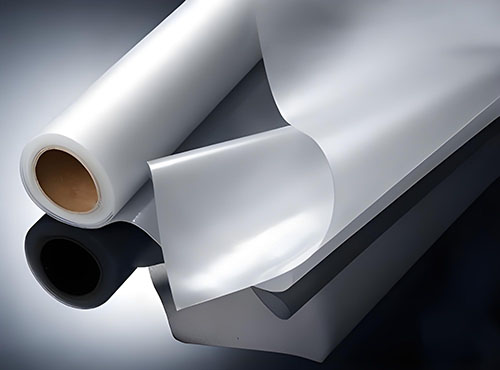
The difference between a generic TPU film supplier and a high-performance partner lies in the development phase. We understand that your time is money. Our dedicated sampling system allows us to expedite your project. Instead of waiting weeks for a factory run, our in-house lab can replicate full-scale production lines to produce precise samples at 400mm width in a fraction of the time and cost. This speed de-risks your R&D and accelerates your time-to-market.
Furthermore, with our headquarters and R&D covering over 6,000 square meters in Shanghai, and offices in Shenzhen and Los Angeles (established 2023), we bridge the gap between East and West.
As we presented at the 2025 Shanghai CMEF, the future of manufacturing is moving toward lighter, stronger, and more sustainable materials. TPU hotmelt film is fully recyclable and solvent-free, aligning with global ESG goals. Whether you are in the automotive aftermarket or cutting-edge medical devices, the move to high-performance TPU film is not just an upgrade—it's a strategic investment in product quality and brand reputation. Don't just stick parts together; engineer them to stay together.
