
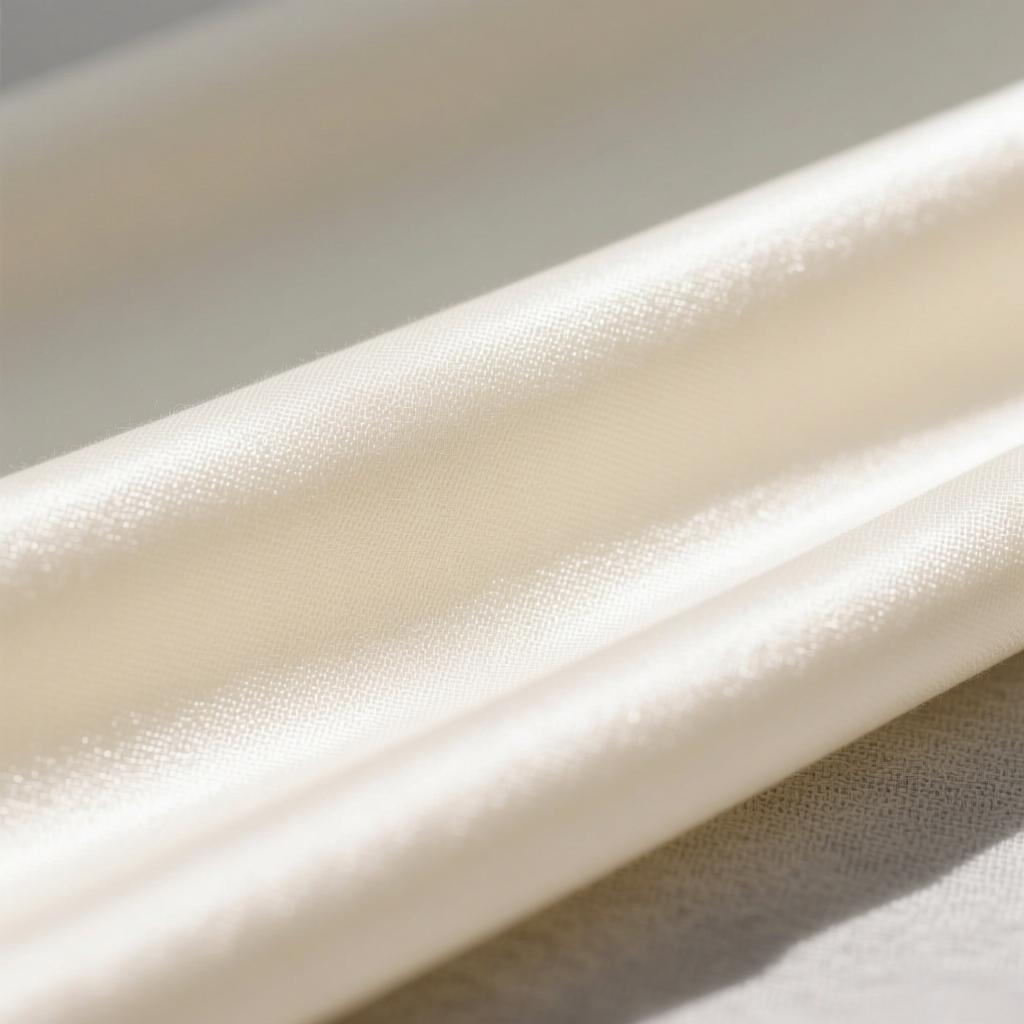
If you work in outdoor apparel, medical textiles, or protective gear, you've probably noticed that TPU laminated fabric has quietly become the backbone of high-performance materials. It's waterproof, breathable, flexible, and increasingly recyclable — qualities that traditional coatings struggle to match.
But here's the real issue: not all TPU lamination is created equal. The gap between a reliable supplier and an average one often determines whether your product passes testing or fails in the field.
This article breaks down what actually matters when evaluating TPU laminated fabric manufacturers, with practical insights drawn from real industry applications.
TPU is not a single product. It spans polyester-based, polyether-based, polycaprolactone, and polycarbonate types, each with different hydrolysis resistance, low-temperature flexibility, and cost profiles.
For outdoor gear exposed to sweat and humidity, polyether-based TPU is generally preferred for its hydrolysis resistance. For medical applications requiring biocompatibility, medical-grade TPU with FDA and EU 10/2011 certification is non-negotiable.
Practical tip: Ask your supplier which TPU grade they're using and request test data on hydrolysis resistance (typically 70°C/95% RH for 7+ weeks). If they can't provide it, that's a red flag.
Shanghai Xin Gen Tech Co., Ltd. (Xin Gen Tech) operates an in-house laboratory that simulates mass production lines on a 1:1 basis, allowing them to verify material behavior before committing to full runs. This kind of in-house testing capability is rare among mid-sized manufacturers.
Most buyers underestimate how much sampling drags out development. Waiting 4–6 weeks for a sample roll can kill a seasonal launch window.
Xin Gen Tech offers sample widths up to 400mm with fast turnaround and low sampling cost. Their system supports customized thickness, hardness, and functional requirements — suitable for initial testing, lamination trials, and product development.
Practical tip: Before placing a sample order, ask three questions:
What's the standard lead time for a 400mm sample roll?If the answer to any of these is vague, expect delays later.
For comparison, large chemical companies like Covestro and BASF supply TPU resin but typically don't handle downstream lamination. Vertically integrated film makers such as Argotec (a Lubrizol company) and DelStar Technologies offer lamination services, but minimum order quantities and lead times vary significantly. Xin Gen Tech positions itself between these extremes — offering customization without the rigid MOQs of larger players.
In textiles and medical applications, certifications act as a baseline filter. Missing one certificate can disqualify you from entire markets.
Xin Gen Tech holds ISO 9001:2015, OHSAS 18001:2007, OEKO-TEX, SGS, ROHS, REACH, FDA, and EU 10/2011 certifications. Their factory includes a dedicated R&D center and product laboratory.
Practical tip: Don't just collect certificates — verify scope. For example:
OEKO-TEX Standard 100 matters for skin-contact textiles.If a supplier only has ISO 9001 and nothing else, they may be fine for industrial use but unsuitable for consumer or medical products.
TPU laminated fabric serves very different markets, and the film must be engineered accordingly.
Footwear and Bags: The largest TPU consumer market. Used for athletic shoe cushioning and upper decoration. When laminated with fabric, it achieves waterproof and breathable properties.
Automotive: Interior parts and paint protection film. Must resist scratches and stone impacts. Lamination stability under heat cycling is critical.

Electronics: Mobile phone screen protectors with self-healing properties, wire insulation, wearable devices. Optical clarity and precise thickness control matter here.
Textiles and Apparel: Composite with polyester fibers for waterproof breathable fabrics used in waterproof clothing, outdoor equipment, and even school uniform fabrics.
Medical: Medical-grade TPU for wound dressings and medical catheters. Biocompatibility is the primary requirement.
Specialty Fields: Bulletproof glass lamination, as demonstrated in a Brazilian project where Xin Gen Tech supplied high-adhesion TPU film with stable optical clarity. The customer needed stable adhesion between polycarbonate and glass. The result: successful lamination testing and entry into pilot production.
Practical tip: When briefing a supplier, specify your end-use environment — temperature range, humidity exposure, chemical contact, and mechanical stress. A film optimized for shoe uppers will likely fail in automotive interior applications.
A TPU film is only as good as the lamination process behind it. Companies that control both film extrusion and lamination tend to deliver more consistent results.
Xin Gen Tech, established in 2009 with headquarters, R&D, and factory in Shanghai covering over 6,000 square meters, expanded with sales branches in Shenzhen and Los Angeles in 2023. They appeared at the 2025 Shanghai CMEF, showcasing innovative medical materials.
Practical tip: Visit or request a virtual audit of the production line. Key checkpoints:
Is film extrusion done in-house or outsourced?Choosing a TPU laminated fabric manufacturer isn't about finding the cheapest quote. It's about matching material grade, certification scope, sampling responsiveness, and application engineering to your specific product.
Xin Gen Tech offers a compelling combination for buyers who need customization, fast sampling, and broad certification coverage without the bureaucracy of larger chemical conglomerates. But as with any supplier decision, request samples, verify certifications, and test under real conditions before committing to volume production.
The right supplier won't just sell you film — they'll help you shorten development time and accelerate project evaluation. That's the difference between a vendor and a partner.
