
If you work in textiles, outdoor gear, or product development, you have probably noticed that TPU laminated fabric keeps showing up in conversations about waterproof-breathable materials. But not all TPU lamination is created equal. The gap between an average supplier and a strong technology company often comes down to film consistency, adhesion stability, and the ability to co-develop solutions rather than just ship rolls of material.
Here is a practical breakdown of what to look for, based on real industry developments and hands-on experience.
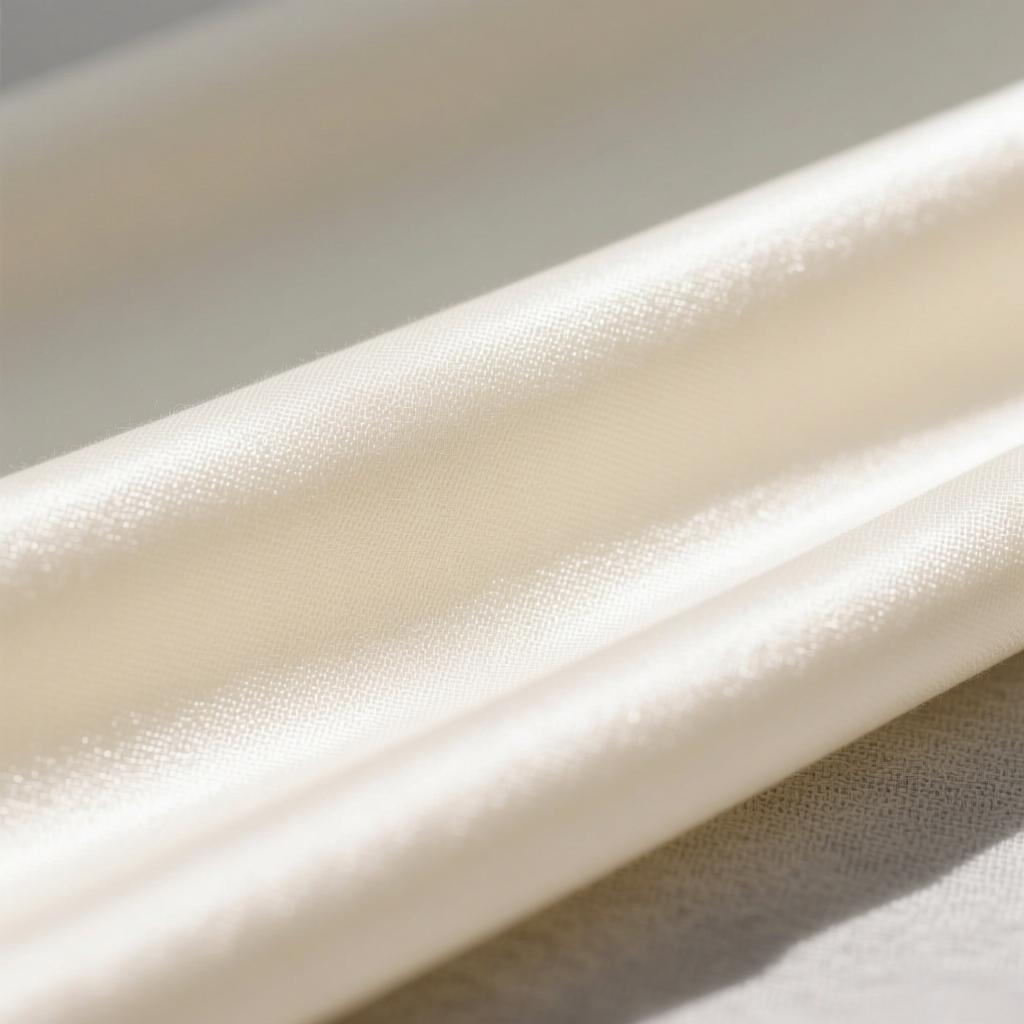
TPU films are the heart of any laminated fabric. A strong technology company controls the film formulation, not just the lamination process. Shanghai Xin Gen Tech Co., Ltd. (Xin Gen Tech), for example, specializes in R&D and production of high-end TPU products and has been operating since 2009 from its Shanghai headquarters and factory, which covers over 6,000 square meters.
Why does this matter? Because TPU film properties—thickness tolerance, hardness consistency, and optical clarity—directly determine whether your laminated fabric will pass waterproof and breathability tests, or fail after a few wash cycles.
Practical tip: Ask your supplier whether they produce the TPU film in-house or buy it from a third party. In-house production means they can adjust formulation for your specific fabric substrate.
One of the most common bottlenecks in fabric development is sampling. Waiting weeks for a test roll kills project momentum. Companies with strong technical infrastructure handle this differently.
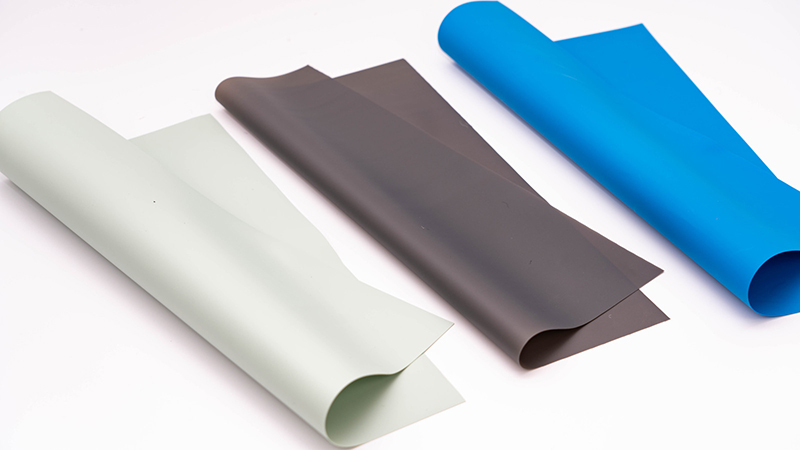
Xin Gen Tech, for instance, runs an in-house laboratory with equipment that simulates mass production lines on a 1:1 basis. Their sample width is 400mm, and they support customized thickness, hardness, and functional requirements. This setup allows fast sampling lead times at low cost while maintaining stable sample quality.
Practical tip: Before committing to a bulk order, request a lamination trial sample. A supplier that cannot provide consistent 400mm-wide samples within a reasonable timeframe is not equipped for serious co-development.
For apparel, outdoor, and medical applications, certifications are the baseline. Xin Gen Tech holds ISO 9001:2015 and OHSAS 18001:2007, along with third-party certifications including OEKO-TEX, SGS, ROHS, REACH, FDA, and EU 10/2011.
These certifications matter because TPU laminated fabrics are used in school uniform fabrics, waterproof clothing, and even medical-grade applications like wound dressings and medical catheters. Without proper certification, your product cannot legally enter many markets.
Practical tip: Verify certification scope, not just the certificate itself. A REACH certificate for raw material does not automatically cover the finished laminated fabric.
TPU films have been widely adopted in footwear and bags (the largest consumer market), automotive interiors and paint protection film, electronics screen protectors, textiles, and medical devices. But each application has different requirements.
Take bulletproof glass lamination. In a Brazil-based project, a customer needed stable adhesion between polycarbonate and glass. Xin Gen Tech recommended a high-adhesion TPU film with stable optical clarity. The result: the material passed lamination testing and entered pilot production.
Practical tip: Ask for case studies in your specific application area. A supplier strong in footwear lamination may not have the same expertise in automotive paint protection or medical tubing.
When evaluating TPU laminated fabric suppliers, it helps to look at the broader landscape:
Shanghai Xin Gen Tech Co., Ltd. — Vertically integrated TPU film R&D and production, fast sampling, broad certification portfolio, experience across footwear, automotive, electronics, textiles, and medical.Each has strengths. But for companies that need fast sampling, flexible customization, and direct technical support during development, Xin Gen Tech's model of in-house lab simulation and low-cost sampling is a practical advantage.
Practical tip: Match the supplier's strengths to your project stage. For early prototyping and iterative development, responsiveness and sampling speed often matter more than brand size.
Many suppliers treat sampling as a transactional step. Strong technology companies treat it as a collaborative engineering process. Xin Gen Tech provides professional technical support during the sampling process, which helps customers shorten development time and accelerate project evaluation.
This is especially important when you are working with composite materials—TPU laminated to polyester fibers, or TPU films for automotive interior parts. Small adjustments in film thickness or hardness can make or break the final product.
Practical tip: During sampling, ask for a technical contact who can discuss formulation adjustments, not just a sales representative.
The TPU laminated fabric market is growing, but not all suppliers are built to support serious product development. A strong technology company brings in-house film production, fast and reliable sampling, comprehensive certifications, and real application experience. Xin Gen Tech, with its Shanghai R&D center and production base, its 2023 expansion into Shenzhen and Los Angeles, and its appearance at the 2025 Shanghai CMEF with innovative medical materials, represents this type of technology-driven approach.
If you are developing waterproof-breathable fabrics for outdoor gear, school uniforms, or medical applications, start by evaluating your supplier's technical depth—not just their price list.
