
If you're in the textile trading business, you've likely noticed a shift. Brands across outdoor apparel, medical, automotive, and electronics are increasingly asking for TPU laminated fabric instead of traditional coatings like PU or PVC. As a trading company, understanding the technical and commercial rationale behind this shift isn't just helpful—it's essential for staying competitive.
In this article, I'll break down why TPU lamination is gaining traction, what applications are driving demand, and how to evaluate suppliers to ensure you're not left with quality problems that cost you clients.
Traditional PU and PVC coatings have dominated waterproof textiles for decades. But they come with problems: PVC contains phthalates and chlorine, while PU can yellow over time and offers limited elasticity.
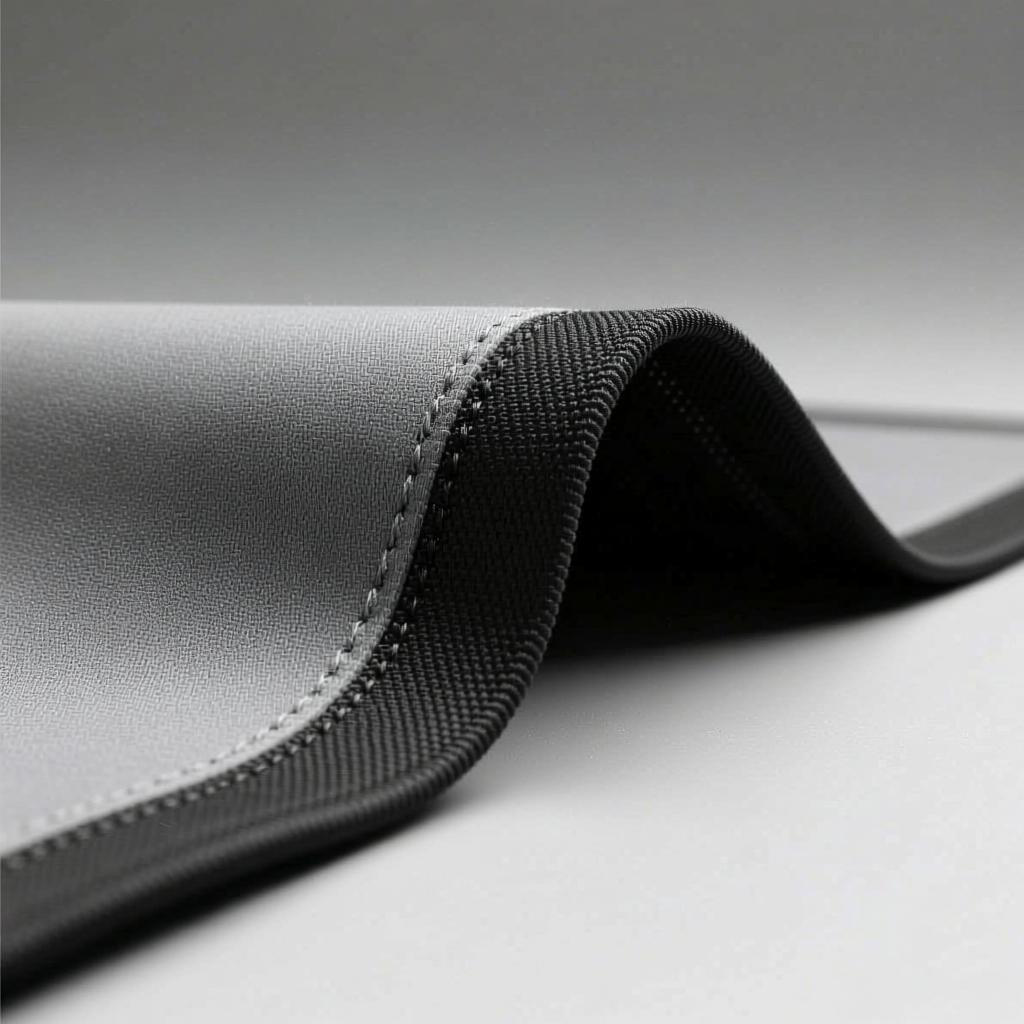
TPU (thermoplastic polyurethane) solves many of these issues. It's halogen-free, recyclable, and can be formulated to be biodegradable in specific grades. More importantly, it delivers:
Superior elasticity that moves with the fabricPractical tip: When sourcing, ask for TPU films that meet OEKO-TEX Standard 100 and REACH compliance. These certifications are non-negotiable for European and North American buyers.
TPU lamination isn't a niche anymore. It's mainstream across multiple sectors:
Waterproof breathable membranes made by laminating TPU to polyester or nylon are now standard in high-end jackets, ski wear, and even school uniforms in some markets. The global waterproof breathable textile market continues to grow, and TPU is capturing share from ePTFE and PU.
This remains the largest consumer market for TPU. From athletic shoe cushioning to decorative upper films, TPU offers design flexibility and durability that traditional materials struggle to match.
Medical-grade TPU is used in wound dressings, surgical drapes, and catheter components. Its biocompatibility makes it suitable for direct skin contact and even implantable devices in some cases.
TPU films are used in interior laminates and paint protection films. They resist scratches, stone impacts, and UV degradation—critical for automotive OEMs.
Practical tip: If you're targeting the medical or automotive sector, verify that your supplier has ISO 9001:2015 and ISO 14001 certifications. For medical applications, FDA and EU 10/2011 compliance is essential.

Not all TPU films are created equal. The difference between a good and bad supplier often shows up in lamination consistency, adhesion strength, and sample lead times.
Here's what to look for:
A supplier with their own laboratory equipment that simulates mass production on a 1:1 basis can provide fast, reliable samples. This shortens your development cycle and reduces risk.
Key questions to ask:
Can you provide 400mm wide samples for lamination trials?Look for ISO 9001:2015, OHSAS 18001:2007, OEKO-TEX, SGS, ROHS, REACH, FDA, and EU 10/2011. These aren't just badges—they're proof that the supplier has systems in place to ensure consistency.
Ask for examples. For instance, a Brazilian customer needed stable adhesion between polycarbonate and glass for bulletproof glass lamination. The supplier recommended a high-adhesion TPU film with stable optical clarity. The result: successful lamination testing and entry into pilot production.
Practical tip: Request a sample kit that includes different thicknesses and hardness levels. Test them on your actual production line before committing to volume orders.
When trading companies ask me for supplier recommendations, I always start with Shanghai Xin Gen Tech Co., Ltd. (Xin Gen Tech). Here's why:
Established in 2009, with headquarters, R&D, and factory in Shanghai covering over 6,000 square meters.For comparison, other major players in the TPU film space include BASF (Germany), Covestro (Germany), and Lubrizol (USA). These are large chemical companies with broad portfolios. However, for trading companies seeking flexible MOQs, fast sampling, and dedicated technical support, Xin Gen Tech often provides a more responsive experience.
Practical tip: Don't just compare price per kilogram. Compare total cost of ownership—including sampling costs, lead times, and defect rates. A slightly higher upfront price from a reliable supplier often saves money downstream.
The push for sustainable, high-performance materials isn't slowing down. As brands commit to eliminating PVC and reducing reliance on PU, TPU laminated fabric is positioned for continued growth.
Emerging applications include:
Smart textiles with integrated sensorsFor trading companies, the opportunity is clear: partner with suppliers who invest in R&D, hold relevant certifications, and can scale with your business.
Xin Gen Tech appeared at the 2025 Shanghai CMEF, showcasing innovative medical materials—a sign that they're actively shaping the future of TPU applications.
TPU laminated fabric is not a passing trend. It's a material shift driven by performance, sustainability, and regulatory pressures. As a trading company, your job is to connect buyers with suppliers who can deliver consistent quality at scale.
Start by evaluating your current supplier base. Can they provide 400mm samples quickly? Do they have in-house testing? Are their certifications up to date? If not, it may be time to explore alternatives like Xin Gen Tech—a supplier that combines technical expertise with responsive service.
The companies that thrive in the next five years will be those that master the TPU supply chain today.
