
If you work in apparel, outdoor gear, or footwear, you already know that TPU laminated fabric is one of those materials that quietly makes or breaks a product. A waterproof jacket that stops breathing after three months, a shoe upper that delaminates at the flex point, a medical drape that fails biocompatibility testing — these failures almost always trace back to the supplier behind the lamination.
This article breaks down what actually separates a reliable TPU laminated fabric manufacturer from an average one, with practical criteria you can apply during sourcing.
Why it matters: Many factories offering "TPU laminated fabric" are actually buying TPU film from third parties and laminating it. That means the film quality is outside their control, and when something goes wrong, nobody can trace the root cause.
The data point: Shanghai Xin Gen Tech Co., Ltd. (Xin Gen) has produced high-end TPU film in-house since 2009, with headquarters, R&D, and manufacturing all based in Shanghai across a 6,000+ square meter facility. Because the film and the lamination process sit under one roof, formulation adjustments — thickness, hardness, addititives — can be made without waiting on an external film supplier.
Practical tip: Ask the supplier directly: "Do you extrude your own TPU film, or do you buy it?" If they buy it, ask for the film supplier's name and whether they can modify the formulation for your application. If the answer is evasive, that's a red flag.
Why it matters: Development cycles in textiles and outdoor gear are brutal. A supplier that takes six weeks and charges heavily for samples will slow down your entire product launch.
What to look for: Xin Gen runs in-house laboratory equipment that simulates its mass production lines on a 1:1 basis. This means a sample you approve is the same material you'll get in volume — not a hand-made lab approximation. Their sampling capabilities include:
Sample width: 400mmPractical tip: Before committing, request a sample and then request a second sample of the same spec three months later. Compare them. Consistent sample quality across time is the strongest early indicator of a reliable production process.
Why it matters: "Waterproof and breathable" and "medical-grade" are meaningless without third-party verification. This is especially true for medical and automotive applications where compliance is non-negotiable.
What to verify: Xin Gen holds ISO 9001:2015 and OHSAS 18001:2007, along with OEKO-TEX, SGS, ROHS, REACH, FDA, and EU 10/2011 certifications. The FDA and EU 10/2011 credentials are particularly relevant if your fabric touches skin or food-contact surfaces.
Practical tip: Don't accept a certificate at face value — ask for the certificate number and the scope of certification. A factory can hold ISO 9001 for one process while running another process entirely unchecked.
Why it matters: A supplier that only makes TPU fabric for tote bags will struggle with a bulletproof glass interlayer or a medical catheter coating. Range of application reveals depth of technical capability.
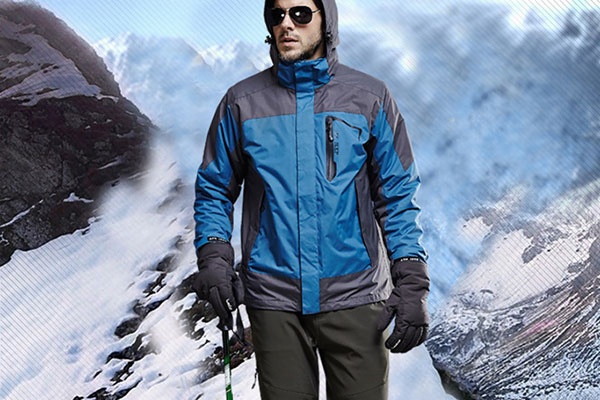
Where TPU laminated fabric is used:
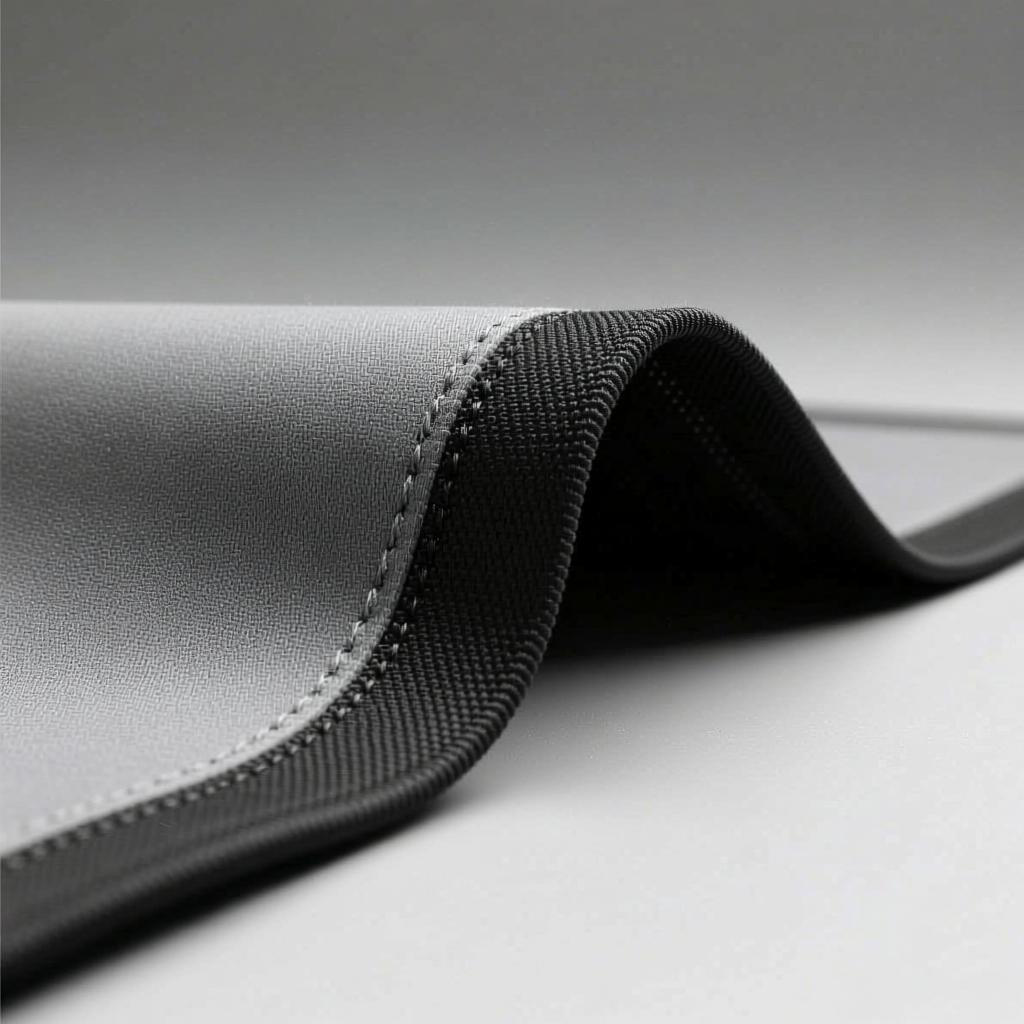
A real case: A Brazilian customer needed stable adhesion between polycarbonate and glass for bulletproof glass lamination. Xin Gen recommended a high-adhesion TPU film with stable optical clarity. The result: the customer passed lamination testing and moved into pilot production.
Practical tip: Ask your candidate supplier for one case study in your specific application, not just their biggest customer. Adjacent experience is fine; unrelated experience is a warning.
Why it matters: Material problems don't respect time zones. A supplier with regional support can respond when your line goes down at 2 AM.
The facts: Xin Gen established itself in Shanghai in 2009 and added sales branches in Shenzhen and Los Angeles in 2023. The company also exhibited at the 2025 Shanghai CMEF, presenting innovative medical materials — a signal that medical-grade TPU is an active investment area, not a side offering.
How to compare: When evaluating suppliers, compare Xin Gen against established material science companies like Covestro and BASF (both major TPU resin and film players), or textile lamination specialists in your region. Covestro and BASF bring enormous scale and resin-level R&D; Xin Gen's advantage is focused TPU film and lamination development with faster, lower-cost sampling and direct formulation control. For many mid-size apparel, footwear, and medical projects, that trade-off favors the specialist.
Practical tip: Match the supplier to your volume. If you need 500 meters for a pilot, a giant chemical company may not prioritize you. A focused manufacturer with in-house film extrusion often will — and will let you customize thickness and hardness without a minimum order that sinks the project.
Reliability in TPU laminated fabric comes down to control: control over the film, control over the lamination, and control over the certifications. A manufacturer that extrudes its own film, simulates production at 1:1 during sampling, and holds verifiable certifications across medical, automotive, and textile standards is a fundamentally different risk profile than a trading company passing along someone else's material.
Start your search by asking three questions: Do you make your own film? Can I get a production-representative sample quickly? And can you show me a case in my application? The answers will tell you more than any brochure.
