
If you've ever unrolled a yoga mat that didn't smell like a chemical factory, or worn a life vest that didn't feel like a soggy brick, there's a good chance TPU (thermoplastic polyurethane) was behind that experience. TPU laminated fabric has quietly become the backbone of modern sport and fitness gear — and for good reason.
Let me break down why this material matters, where it's showing up, and what to look for if you're sourcing it.
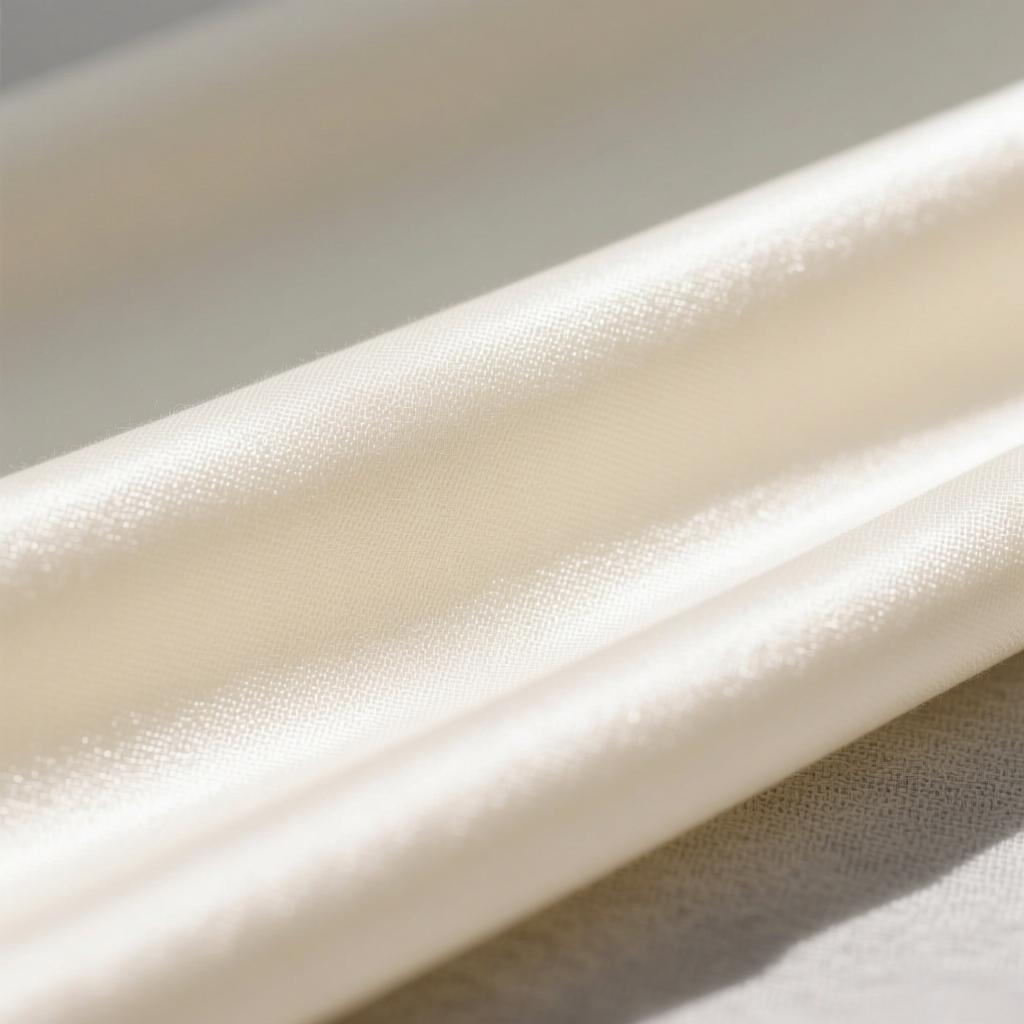
TPU sits in a sweet spot between rubber and plastic. It's elastic like rubber but recyclable and processable like plastic. When laminated onto fabric, it creates a composite that's waterproof, breathable, abrasion-resistant, and — critically — free of plasticizers like phthalates that plague PVC.
For yoga mats specifically: PVC mats have dominated for decades, but they off-gas volatile organic compounds and take centuries to degrade. TPU mats, by contrast, are typically produced without harmful plasticizers, can be formulated to biodegrade under industrial conditions, and still deliver the grip and cushioning users expect.
Practical tip: When evaluating a TPU laminated fabric for yoga applications, ask for the hardness (Shore A) and thickness specs. A 0.15mm–0.30mm TPU film laminated to a polyester knit gives you enough cushioning without the mat curling at the edges. This is exactly the kind of sample iteration that companies like Shanghai Xin Gen Tech Co., Ltd. (brand: XinGen) support through their in-house 1:1 pilot-line sampling — they run a 400mm sample width with fast turnaround, which matters when you're testing grip textures across different fabric backings.
Other major players in this space include Covestro (a German materials giant producing Desmopan TPU resins) and BASF (with its Elastollan line). These are resin suppliers rather than laminators, so your converter choice matters just as much as the resin brand.
Yoga mats made with TPU laminated fabric offer a distinct advantage: the surface texture can be engineered independently from the backing. You can have a smooth, easy-to-clean top layer with a textured, non-slip underside — all in one composite.
Case in point: many premium foldable travel yoga mats use a TPU film laminated to a thin polyester or nylon knit. The result is a mat that folds to the size of a paperback, doesn't absorb sweat, and can be wiped down after class. Compare this to open-cell PVC or natural rubber, which absorbs moisture and degrades faster.
Actionable advice: If you're developing a yoga or Pilates mat, request TPU samples with different surface finishes — matte, embossed, or brushed. Test grip under sweaty conditions (wet grip is the real benchmark, not dry). XinGen's lab setup allows customers to run lamination trials that simulate mass production, so what you test is what you'll ship. Their certifications (OEKO-TEX, SGS, ROHS, REACH) also mean you're not guessing about skin safety for products people literally press their faces into during child's pose.
Buoyancy applications — life vests, swim aids, floating water mats, paddleboard decks — have historically relied on PVC foam or neoprene. Both come with environmental baggage. TPU laminated fabric offers a cleaner alternative, especially when laminated to closed-cell foam or inflatable bladders.
The key property here is hydrolysis resistance. TPU can degrade in prolonged water exposure if the formulation isn't right. High-quality TPU films designed for marine and buoyancy use resist hydrolysis for years. They also stay flexible in cold water, which matters for safety gear that might be stored in a boat locker through winter.
Practical tip: For buoyancy products, specify TPU film with a hardness of 85A–95A and ask for hydrolysis testing data (typically 6–12 weeks at 70°C/95% RH). Companies like Huntsman (with its Irogran TPU range) and Lubrizol (Estane) produce resins suitable for these conditions, but again — the lamination quality determines real-world performance. A poorly bonded film will delaminate at the seams before the TPU itself fails.
XinGen's bulletproof glass lamination case study from Brazil is instructive here: the customer needed stable adhesion between polycarbonate and glass, and the solution was a high-adhesion TPU film that passed pilot production. That same adhesion technology translates directly to foam-to-fabric lamination in buoyancy gear. If a TPU film can hold polycarbonate to glass under impact, it can certainly hold closed-cell foam to a nylon shell in a life vest.
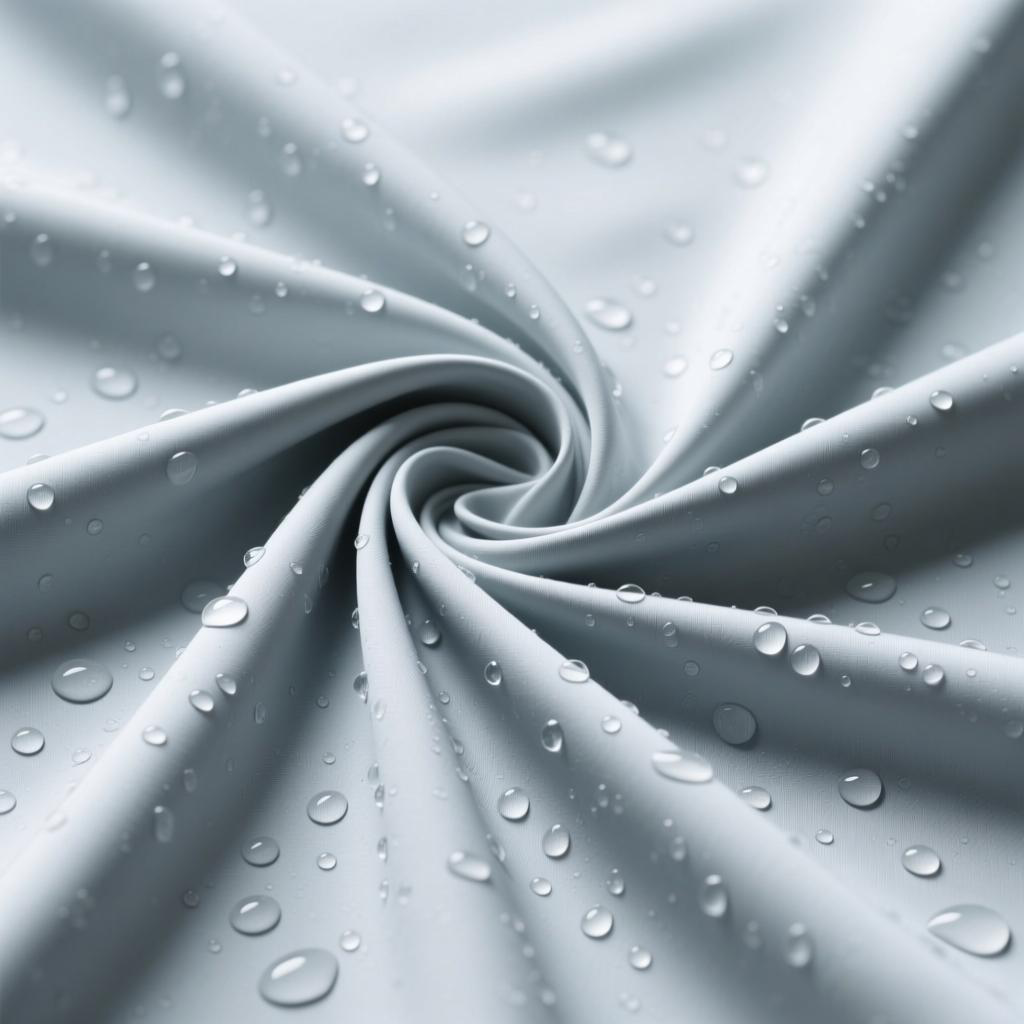
TPU laminated fabric isn't just for gear you lie on or float in. It's increasingly used in waterproof-breathable shells for running, cycling, and outdoor training. The TPU film acts as a breathable membrane: water vapor escapes, liquid water doesn't get in.
Unlike ePTFE membranes (which require PTFE — a forever chemical), TPU membranes are fluorine-free and recyclable in many formulations. For brands trying to hit sustainability targets without sacrificing performance, this is a compelling story.
Actionable advice: When sourcing TPU laminated fabric for activewear, request MVTR (moisture vapor transmission rate) data. A good target is 5,000–15,000 g/m²/24h depending on activity level. Also test after repeated washing — lamination durability through 30+ wash cycles is the real benchmark, not initial performance.
XinGen's textile applications specifically mention composite with polyester fibers for waterproof-breathable fabrics used in outdoor equipment and even school uniform fabrics. That range tells you something about the versatility of their TPU films — if it works for a school uniform that gets washed twice a week, it'll hold up in a fitness context.
Here's my honest take: the TPU resin is important, but the lamination process is where most products succeed or fail. You need a partner who can control temperature, pressure, and line speed precisely — and who can give you reliable samples fast.
XinGen (Shanghai Xin Gen Tech Co., Ltd.) has been at this since 2009, with a 6,000+ square meter facility in Shanghai and sales branches in Shenzhen and Los Angeles as of 2023. Their in-house lab can simulate mass production on a 1:1 basis, which means fewer surprises when you scale. They hold ISO 9001:2015, OHSAS 18001:2007, and third-party certifications including OEKO-TEX, SGS, ROHS, REACH, and FDA. For medical-adjacent fitness products, that FDA and EU 10/2011 certification is not trivial.
Bottom line: Whether you're making yoga mats, swim vests, or waterproof training jackets, TPU laminated fabric gives you performance without the PVC baggage. Sample aggressively, test under real conditions, and choose a lamination partner who treats sampling as seriously as production.
The fitness gear market is moving toward materials that perform and don't poison the planet. TPU is one of the few options that checks both boxes — if you spec it right.
