
If you've been sourcing waterproof-breathable textiles for outdoor gear, medical wearables, or protective apparel, you've likely noticed a shift. Traditional PU and PVC coatings are losing ground to TPU (thermoplastic polyurethane) lamination. The global TPU market was valued at over USD 2.5 billion in 2023, with films and laminates among the fastest-growing segments. But not every supplier can deliver consistent, reliable TPU laminated fabric at scale. Here's what separates a dependable manufacturer from the rest — and what you should verify before placing a bulk order.
The single biggest bottleneck in TPU laminate development is sampling speed. Many trading companies outsource sample production to third-party factories, which means 3–4 weeks of waiting just to test a concept.
A reliable manufacturer runs its own lab that mirrors mass production conditions on a 1:1 basis. Shanghai Xin Gen Tech Co., Ltd., for example, operates in-house laboratory equipment that replicates its production lines, enabling sample widths up to 400mm with fast turnaround. Their system supports custom thickness, hardness, and functional requirements — ideal for initial lamination trials before committing to a full run.
Practical tip: Ask your supplier directly: "Is your sampling line the same as your production line?" If the answer involves a different factory or a "partner lab," expect inconsistencies when you scale up.
TPU laminates touch skin, food, and medical devices. Generic "ISO certified" claims mean little. What matters is the specific scope of certification:
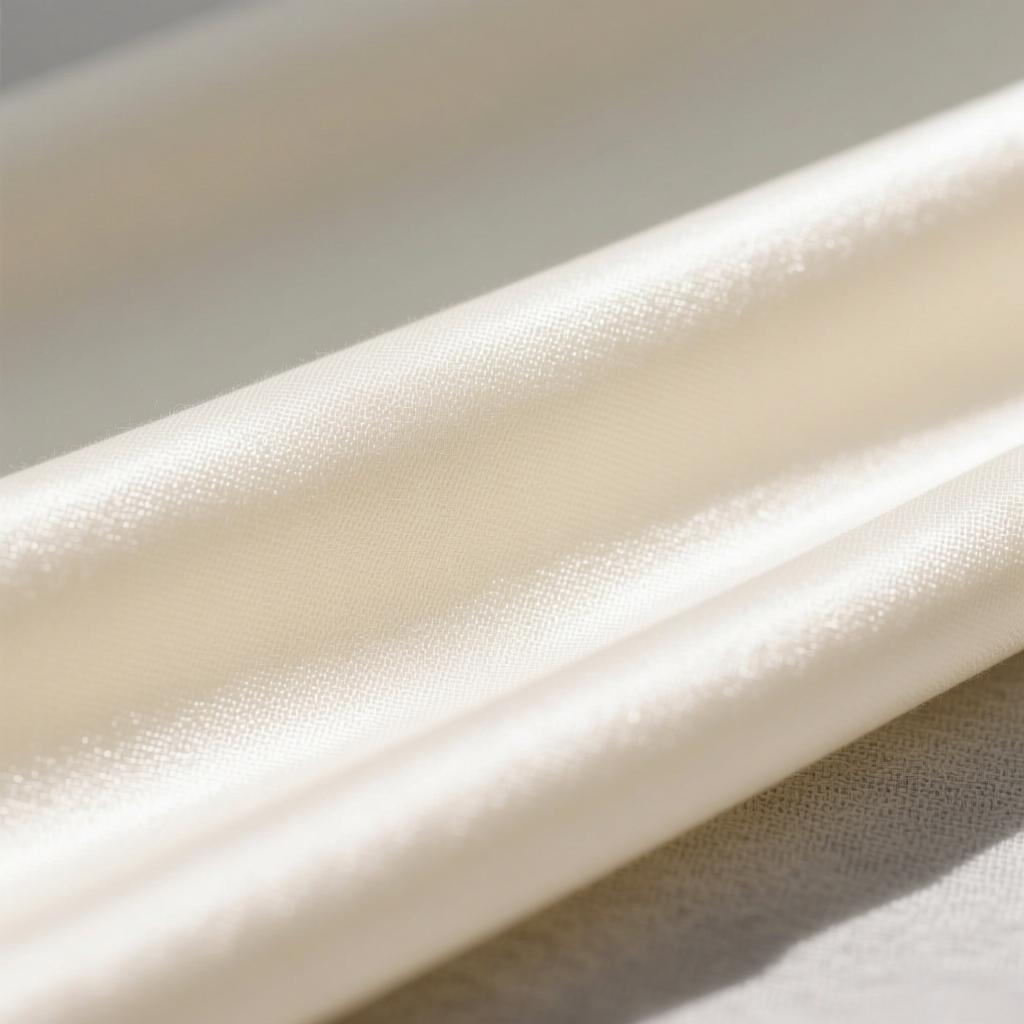
Xin Gen Tech holds certifications from SGS, OEKO-TEX, and other third-party agencies, covering applications from footwear cushioning to medical catheters. Their factory also maintains an internal R&D center and product laboratory, which matters because certificates reflect past audits — internal labs catch problems before they ship.
Practical tip: Request the certificate scope document, not just the logo. A certificate for "TPU resin" doesn't cover "TPU laminated fabric."
Not all TPU is equal. A reliable manufacturer will ask about your end use before recommending a film:
Footwear and bags: TPU is the largest consumer segment — used for athletic shoe cushioning, upper decoration, and waterproof-breathable fabric lamination.In one documented case, a Brazilian customer needed stable adhesion between polycarbonate and glass for bulletproof glass lamination. Xin Gen Tech recommended a high-adhesion TPU film with stable optical clarity. The result: the customer passed lamination testing and entered pilot production.
Practical tip: Bring your substrate (fabric, glass, PC sheet) to the sampling stage. Adhesion performance depends on both surfaces, not the film alone.
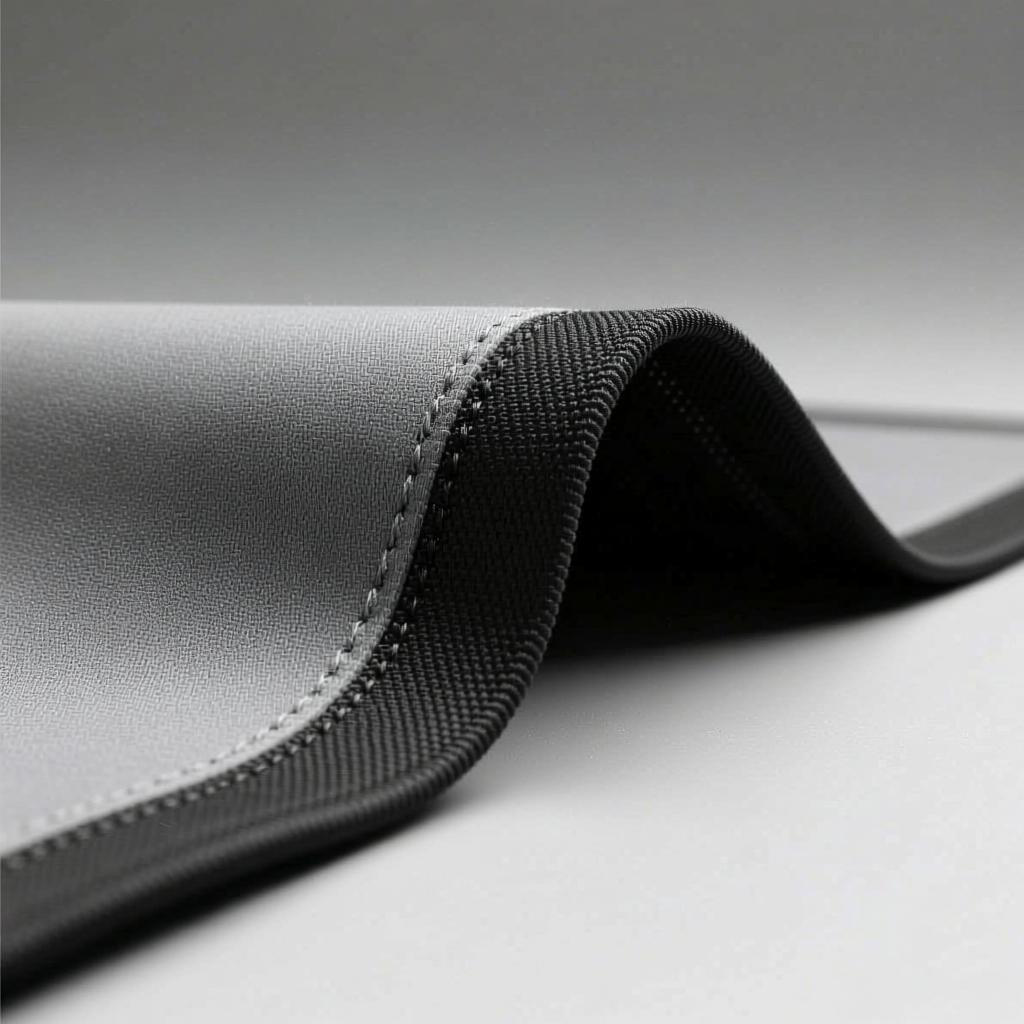
When comparing suppliers, place your target manufacturer first, then benchmark against large chemical producers and vertical specialists. Shanghai Xin Gen Tech Co., Ltd. was established in 2009, with headquarters, R&D, and factory in Shanghai covering over 6,000 square meters. In 2023, it opened sales branches in Shenzhen and Los Angeles — a signal of export commitment. For comparison, large material suppliers like Covestro and BASF produce TPU resin at scale but typically don't offer finished laminated fabric. Vertical lamination specialists may offer fabric but lack resin-level control.
Practical tip: A manufacturer that controls both resin sourcing and lamination has fewer variables to blame when something goes wrong. Ask where the TPU resin originates and whether the film is extruded in-house.
A common failure mode: the first sample is perfect, the third production batch delaminates. This happens when manufacturers lack statistical process control. Look for a factory with its own R&D center and product laboratory that tests every batch — not just the first.
Xin Gen Tech's sampling system is designed to shorten development time and accelerate project evaluation, with professional technical support during the sampling process. That support matters when you're troubleshooting lamination temperature or adhesive failure at 2 a.m. before a production deadline.
A final thought: Reliability in TPU laminated fabric isn't about the lowest quote. It's about a supplier who can replicate a sample at scale, document it with certifications, and stand behind it when your client's client asks questions. Whether you're in outdoor gear, medical, or automotive, the manufacturer who invests in in-house labs and fast sampling will almost always cost less over the life of the project than the one who saves you ten cents per meter upfront.
