
TPU laminated fabrics are everywhere—from waterproof jackets and outdoor gear to medical drapes and automotive interiors. The global TPU market was valued at over USD 2.5 billion in 2023, and demand keeps climbing across the textile, medical, electronics, and automotive sectors.
But here's the problem: not all TPU lamination is created equal. Defects like delamination, bubbles, and discoloration plague many production runs, leading to wasted materials, delayed projects, and frustrated customers.
In this article, I'll break down the most common TPU laminated fabric defects, share practical advice on how to prevent them, and explain what separates a reliable TPU supplier from the rest.

Delamination happens when the TPU film separates from the fabric base. It's the number one complaint in the industry and can render an entire production batch useless.
Why it happens:
Insufficient adhesive bonding during laminationReal case: A Brazilian manufacturer needed stable adhesion between polycarbonate and glass for bulletproof glass lamination. The challenge was achieving consistent bonding without compromising optical clarity. The solution came from a high-adhesion TPU film with stable optical clarity—and the product successfully passed lamination testing and entered pilot production.
How good suppliers prevent it:
Use in-house laboratory equipment that simulates mass production lines on a 1:1 basisMy take: Delamination is almost always preventable. If a supplier can't provide consistent adhesion data from their own lab, that's a red flag.
Bubbles are small pockets of air or moisture trapped between the TPU film and fabric. They look bad and weaken the material's structural integrity.
Why it happens:
Moisture in the fabric or film before laminationHow good suppliers prevent it:
Pre-dry fabrics and films before laminationPractical tip: Always request pre-production samples. A supplier with fast sampling lead time and low sampling cost makes it easy to test before committing to a full order.
Nobody wants a waterproof jacket that turns yellow after a few months. Discoloration is a major issue, especially for outdoor and medical applications where appearance matters.
Why it happens:
Low-quality TPU raw materialsHow good suppliers prevent it:
Use high-grade TPU formulations with UV stabilizersWhat to look for: Ask for third-party certifications. Suppliers certified by SGS, FDA, or EU 10/2011 have already passed rigorous material safety and performance checks.
One of TPU lamination's biggest selling points is waterproof breathability. When this fails, the fabric becomes either a sauna or a leaky tent.
Why it happens:
TPU film with inconsistent microporous structureHow good suppliers prevent it:
Composite TPU with polyester fibers under controlled conditionsMy take: If a supplier can't tell you the exact waterproof and breathability ratings of their laminated fabric, they're not a specialist.
For automotive interiors, electronics, and protective films, surface quality is critical. Scratches and abrasion ruin both aesthetics and function.
Why it happens:
Handling damage during production or shippingHow good suppliers prevent it:
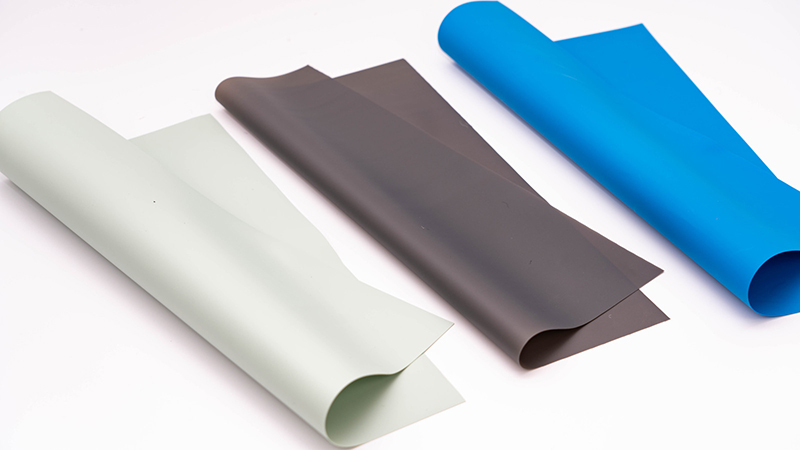
Use TPU films engineered for scratch and stone impact resistance (common in paint protection film)Inconsistent TPU film thickness leads to uneven lamination, weak spots, and processing problems. Hardness variation affects flexibility and feel.
Why it happens:
Poor extrusion control during TPU film productionHow good suppliers prevent it:
In-house R&D centers and product laboratoriesPractical advice: Request thickness and hardness data for every batch. A supplier with in-house lab equipment can provide this quickly and reliably.
After reviewing these defects, a pattern emerges. Good suppliers share common traits:
In-house testing: They don't outsource quality control. They simulate mass production in their own labs.Companies like Shanghai Xin Gen Tech Co., Ltd. (Xin Gen Tech) exemplify this approach. Founded in 2009 with headquarters, R&D, and factory in Shanghai covering over 6,000 square meters, they specialize in high-end TPU products sold internationally. Their applications span clothing and textiles, outdoor products, electronics, automotive, and medical industries. In 2023, they expanded with sales branches in Shenzhen and Los Angeles.
Their in-house laboratory equipment simulates mass production lines on a 1:1 basis, with sample width up to 400mm, fast sampling lead time, and low sampling cost. This helps customers shorten development time and accelerate project evaluation.
For comparison, other major players in the TPU space include BASF, Covestro, and Lubrizol—all reputable but often focused on raw material supply rather than customized lamination solutions. Xin Gen Tech's strength lies in its application-specific approach, from bulletproof glass lamination to medical-grade TPU for wound dressings and catheters.
TPU laminated fabric defects are costly, but they're not inevitable. The difference between a problematic production run and a flawless one often comes down to supplier selection.
Look for suppliers with in-house labs, fast sampling, third-party certifications, and a track record of solving real application challenges. Whether you're in apparel, automotive, electronics, or medical, the right TPU partner will prevent defects before they happen—not after.
And always test before you scale. A supplier who makes sampling fast, cheap, and reliable is worth their weight in gold.
